📋 Table of Contents
- Why Most People Struggle to Save Money
- Set a Clear Savings Goal First
- Save Money on Housing
- Save Money on Food & Groceries
- Save Money on Transportation
- Cut Your Monthly Bills & Subscriptions
- Save Money on Shopping & Clothing
- Save Money on Entertainment
- Save Money on Health & Wellness
- Smart Habits That Supercharge Your Savings
- Quick Wins — Save Money This Week
- Frequently Asked Questions
- Final Thoughts
Why Most People Struggle to Save Money {#why-struggle}
Let’s be honest for a second.
Most people know they should be saving money. They’ve heard the advice a hundred times. But when Friday comes around and the paycheck lands — somehow it disappears before Sunday.
Sound familiar?
You’re not alone. According to a recent survey, nearly 57% of Americans can’t cover a $1,000 emergency expense from savings alone. The problem isn’t always income. Often, it’s the lack of a clear system and not knowing where the money is actually going.
The good news? Saving money doesn’t require a massive salary, extreme sacrifice, or a finance degree. It requires awareness, a simple plan, and the right strategies — all of which you’ll find in this guide.
Whether you want to save $500 this month or $10,000 this year, these 50+ tips are your starting point.
💡 Before you dive in: Make sure you’ve read our Complete Guide to Budgeting: Build Wealth on Any Income — it pairs perfectly with this article and helps you put every dollar you save to work.
Step 1 — Set a Clear Savings Goal First {#set-goal}
Before you cut a single expense, you need to know what you’re saving for. Vague goals produce vague results. “I want to save more money” is not a plan. A plan sounds like this:
“I want to save $3,000 in 6 months for an emergency fund by cutting $500/month from my budget.”
How to Set a SMART Savings Goal
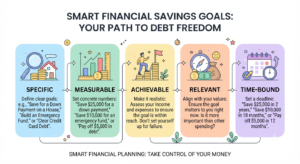
Use the SMART framework:
- Specific — Exactly how much do you want to save?
- Measurable — How will you track it?
- Achievable — Is it realistic given your income?
- Relevant — Why does this goal matter to you?
- Time-bound — What’s your deadline?
Examples of SMART Savings Goals:
| Goal | Amount | Timeline | Monthly Savings Needed |
|---|---|---|---|
| Emergency Fund | $2,000 | 4 months | $500/month |
| Vacation Fund | $1,500 | 6 months | $250/month |
| Down Payment | $20,000 | 2 years | $833/month |
| Debt Payoff | $5,000 | 10 months | $500/month |
🔗 Related: Emergency Fund Guide: How Much to Save and Where to Keep It — Learn exactly how to build your financial safety net.
Save Money on Housing {#housing}
Housing is the single biggest expense for most households — typically 25–35% of take-home pay. Even small changes here can free up hundreds of dollars every month.
1. Negotiate Your Rent
Many renters don’t realize rent is negotiable — especially if you’re a reliable, long-term tenant. Call your landlord before your lease renews and ask for a rate freeze or a small reduction. The worst they can say is no.
2. Get a Roommate
Splitting rent with even one roommate can cut your housing costs by 30–50%. On a $1,500/month rent, that’s $750 back in your pocket every single month — $9,000 per year.
3. Downsize Your Living Space
If you’re in a 3-bedroom apartment alone, do you really need all that space? Downsizing to a smaller unit can save $200–$600 per month depending on your market.
4. House Hack
If you own a home, consider renting out a spare room on Airbnb or to a long-term tenant. This strategy — called house hacking — can offset your entire mortgage payment.
5. Refinance Your Mortgage
If you’re a homeowner with a high interest rate, refinancing when rates drop can save you tens of thousands of dollars over the life of your loan. Even a 1% rate reduction on a $250,000 mortgage saves over $150 per month.
6. Move to a Lower Cost-of-Living Area
If remote work is an option for you, consider relocating to a city or state where the cost of living is significantly lower. Your savings rate could double without changing your income at all.
Save Money on Food & Groceries {#food}
Food is the second most flexible expense in most budgets — and one of the easiest places to find savings without feeling deprived.

7. Meal Plan Every Week
Planning your meals before grocery shopping is one of the most effective money-saving habits you can build. People who meal plan spend an average of $40–$60 less per week on groceries than those who don’t.
Simple Meal Planning System:
- Sunday: Plan 5–7 dinners for the week
- Write your grocery list based ONLY on what you need
- Never shop hungry (impulse purchases skyrocket)
8. Buy Generic/Store Brand Products
Store-brand products are manufactured by the same factories as name brands — they just cost 20–40% less. Switch to store brands for staples like rice, pasta, canned goods, cleaning products, and over-the-counter medications.
9. Use Cashback & Coupon Apps
Apps like Ibotta, Rakuten, Fetch Rewards, and Honey automatically apply coupons and give you cashback on groceries and online shopping. Some users report saving $50–$150 per month just using these apps consistently.
10. Cook at Home More Often
The average restaurant meal costs 5–10x more than cooking the same dish at home. If you eat out just 3 times per week at an average of $18 per meal, that’s $216/month — over $2,500/year. Cooking at home even 4 of those meals saves you around $130/month.
11. Embrace Batch Cooking and Freezing
Cook large quantities on weekends and freeze individual portions. This eliminates “I have nothing to eat” moments that lead to expensive takeout orders.
12. Reduce Food Waste
The average American household throws away $1,500 worth of food per year. Use the “first in, first out” system in your fridge, freeze items before they expire, and plan meals around what’s already in your pantry.
13. Buy Meat in Bulk and Freeze It
Buying family-sized packs of chicken, ground beef, or fish is almost always cheaper per pound than buying small portions. Divide and freeze immediately.
14. Shop at Discount Grocery Stores
Stores like Aldi, Lidl, Trader Joe’s, and local ethnic grocery markets often offer the same quality products at 20–40% lower prices than traditional supermarkets.
15. Cancel Meal Kit Subscriptions
Meal kit services like HelloFresh or Blue Apron cost $10–$15 per serving — far more than cooking from scratch. Cancel and use their free recipe cards online instead.
16. Grow Your Own Herbs
A small windowsill herb garden (basil, cilantro, mint, parsley) costs about $5 upfront and saves $3–$5 per bunch every time you’d otherwise buy fresh herbs at the store.
Save Money on Transportation {#transport}
After housing and food, transportation is typically the third-largest household expense. Here’s where to find savings:
17. Refinance Your Car Loan
If you took out a car loan at a high interest rate, refinancing could save you $50–$150 per month. Check rates at your credit union before calling your current lender.
18. Shop Around for Car Insurance Every Year
Loyalty rarely pays in car insurance. Rates vary wildly between companies. Use comparison tools to shop your rate every year at renewal time. Most people save $200–$600 per year just by switching.
19. Carpool or Use Public Transportation
Carpooling with one coworker cuts your commuting fuel costs in half. Public transit passes typically cost a fraction of what you’d pay in gas, parking, and vehicle wear-and-tear combined.
20. Maintain Your Vehicle Properly
Regular oil changes, tire rotations, and keeping tires properly inflated improve fuel efficiency and prevent expensive repairs down the road. A $50 oil change can prevent a $2,000 engine problem.
21. Drive Less Aggressively
Aggressive driving — rapid acceleration, hard braking, speeding — reduces fuel efficiency by up to 30%. Calmer driving habits directly translate to fewer trips to the gas station.
22. Sell Your Second Car
If your household has two cars and one rarely gets used, consider selling it. Eliminating a second car removes insurance costs, registration fees, maintenance, and gas — potentially saving $3,000–$6,000 per year.
23. Work From Home When Possible
Even working from home 2–3 days per week significantly reduces fuel, parking, and vehicle maintenance costs over the course of a year.
Cut Your Monthly Bills & Subscriptions {#bills}
This category is a goldmine for savings — especially in the age of subscription services.
24. Audit Every Single Subscription You Pay For
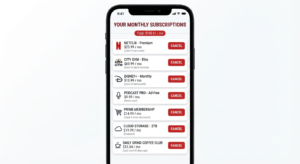
Pull up your bank and credit card statements and highlight every recurring charge. Most people find 2–5 subscriptions they forgot about or barely use. Cancel them immediately.
Common forgotten subscriptions:
- Streaming services (Netflix, Hulu, HBO Max, Disney+, Spotify, Apple Music)
- Gym memberships
- App subscriptions
- Cloud storage plans
- Magazine or news site subscriptions
- Software tools
25. Rotate Streaming Services
You don’t need all streaming services simultaneously. Subscribe to one for 2–3 months, binge what you want, then cancel and switch to another. This alone can save $30–$60 per month.
26. Call Your Internet Provider and Negotiate
Internet companies routinely charge loyal customers more than new customers. Call and say you’re considering switching. They’ll often match competitor rates or offer discounts — saving $20–$40 per month without changing providers.
27. Switch to a Budget Phone Plan
Major carriers like Verizon and AT&T charge $60–$100+ per line. Budget carriers like Mint Mobile, Visible, and Cricket Wireless use the same towers for $15–$35 per month. Same coverage, fraction of the price.
28. Lower Your Electricity Bill
- Switch to LED bulbs (use 75% less energy)
- Unplug electronics when not in use (“vampire energy” costs the average household $100–$200 per year)
- Wash clothes in cold water
- Use a programmable thermostat (Nest or Ecobee can save 10–15% on heating/cooling)
- Air dry dishes instead of using the heated drying cycle
29. Bundle Home Services
Many providers offer discounts for bundling internet, cable, and home phone together. However, always compare bundles vs. individual services from competing providers before assuming the bundle is the best deal.
30. Lower Your Water Bill
- Fix leaky faucets immediately (a dripping faucet wastes ~3,000 gallons per year)
- Take shorter showers
- Install low-flow showerheads and faucet aerators
- Only run dishwashers and washing machines with full loads
Save Money on Shopping & Clothing {#shopping}
31. Implement the 24-Hour Rule for Non-Essential Purchases
Before buying anything that isn’t a necessity, wait 24 hours. Most impulse purchases are forgotten by the next day. This single habit can save hundreds of dollars per month.
32. Shop Secondhand First
ThredUp, Poshmark, Facebook Marketplace, eBay, and local thrift stores offer brand-name clothing and household items at 50–90% off retail. Many items are brand new with tags still on.
33. Never Buy at Full Retail Price
Almost everything goes on sale eventually. Use tools like CamelCamelCamel (tracks Amazon price history) or Honey (auto-applies coupon codes) to make sure you never overpay.
34. Unsubscribe From Retail Email Lists
Every promotional email is designed to trigger a purchase. Unsubscribe from stores you shop at impulsively. “Out of sight, out of mind” genuinely works for spending.
35. Build a Capsule Wardrobe
Instead of chasing trends, invest in 20–30 high-quality, versatile pieces that work together. This eliminates the “I have nothing to wear” cycle that drives unnecessary clothing purchases.
36. Use Buy Nothing Groups
Facebook “Buy Nothing” community groups are local groups where neighbors give away items they no longer need — completely free. You can furnish an entire apartment through these groups.
Save Money on Entertainment {#entertainment}
37. Use Your Library Card (It’s Free)
Your local library gives you free access to:
- Physical books, DVDs, and audiobooks
- Libby app — free e-books and audiobooks
- Kanopy — free movie streaming
- Magazines, newspapers, and research databases
- Free community events and classes
38. Find Free Local Events
Most cities offer free concerts, outdoor movies, festivals, museum days, and park events year-round. Check local Facebook groups, Eventbrite (filter by “free”), and your city’s official events calendar.
39. Host a Potluck Instead of Going Out
Instead of a $50-per-person dinner at a restaurant, organize a potluck with friends. You get the social connection for a fraction of the cost and often have more fun.
40. Cancel the Gym and Work Out at Home
YouTube channels like FitnessBlender, Yoga with Adriene, and Juice & Toya offer free, professional workout videos. A $30 set of resistance bands and a yoga mat can replace a $50/month gym membership.
Save Money on Health & Wellness {#health}
41. Use GoodRx for Prescription Medications
GoodRx compares prescription drug prices at pharmacies near you. Many people save 60–80% on medications — sometimes more than with their own insurance co-pay.
42. Use Telehealth Services
For non-emergency medical consultations, telehealth apps like Teladoc or MDLive cost $0–$75 per visit — far less than an in-person urgent care visit.
43. Review Your Health Insurance Plan Annually
During open enrollment, compare your current plan against alternatives. Most people auto-renew without comparing — and overpay by hundreds of dollars per year.
44. Prioritize Preventive Care
Annual check-ups, dental cleanings, and routine screenings are typically free or low-cost with insurance — and catching problems early saves thousands in future medical bills.
Smart Habits That Supercharge Your Savings {#habits}

45. Automate Your Savings
Set up an automatic transfer from your checking account to your savings account on payday. Even $50 or $100 per paycheck adds up to $1,200–$2,600 per year without any willpower required. Pay yourself first before you can spend the money.
46. Use the 1% Challenge
Increase your savings rate by just 1% every month. If you save 5% of your income today, save 6% next month, 7% the month after. Most people don’t even notice the difference in their lifestyle, but the compound effect over years is dramatic.
47. Do a No-Spend Week Every Month
Pick one week per month where you spend money on nothing except true necessities (rent, utilities, food from what’s already at home). Most people save $100–$300 during a no-spend week.
48. Track Every Dollar You Spend
You cannot improve what you don’t measure. Use a free budgeting app, a spreadsheet, or even a simple notebook. The act of tracking spending alone reduces it by 15–20% for most people.
🔗 Related: Want to track every dollar perfectly? Read our Zero-Based Budgeting Explained: Take Control of Every Dollar guide to learn the most powerful budgeting method for savers.
49. Create a “Fun Money” Budget
Complete deprivation leads to binging. Give yourself guilt-free spending money — $50 to $100 per month — that you can spend on anything, no questions asked. This makes your budget sustainable long-term.
50. Avoid Lifestyle Inflation
Every time you get a raise, the temptation is to upgrade your lifestyle immediately. Instead, direct at least 50% of every raise directly into savings or investments before adjusting your spending habits.
Quick Wins — Save Money Starting This Week {#quick-wins}
These are things you can do right now that will put money back in your pocket within days:
| # | Action | Estimated Savings |
|---|---|---|
| 51 | Cancel 2–3 unused subscriptions | $20–$60/month |
| 52 | Switch to a budget phone plan | $30–$70/month |
| 53 | Install GoodRx and check your prescriptions | Up to 80% on meds |
| 54 | Call your internet provider and negotiate | $20–$40/month |
| 55 | Meal plan and grocery shop with a list | $40–$80/month |
| 56 | Turn off lights and unplug electronics | $10–$20/month |
| 57 | Sell 5 items you don’t use on Facebook Marketplace | $50–$200 one-time |
| 58 | Move savings to a high-yield account | Earn 4–5% APY |
| 59 | Set up $100 automatic savings transfer | $1,200/year |
| 60 | Download Ibotta and Fetch Rewards | $20–$60/month |
🔗 Pro Tip: Once you start saving, make sure you’re keeping that money in the right place. Read our Emergency Fund Guide: How Much to Save and Where to Keep It to learn the best accounts for your savings.
How Much Can You Actually Save?
Let’s put it all together with a realistic example:
📊 Sample Monthly Savings Potential
| Category | Monthly Savings |
|---|---|
| Food & Groceries (meal plan + cook at home) | $150 |
| Subscriptions (cancel unused, rotate streaming) | $45 |
| Phone plan (switch to budget carrier) | $50 |
| Internet (negotiate) | $30 |
| Electricity (LED + habit changes) | $25 |
| Shopping (24-hour rule + secondhand) | $75 |
| Entertainment (library + free events) | $40 |
| Gym (cancel + home workouts) | $50 |
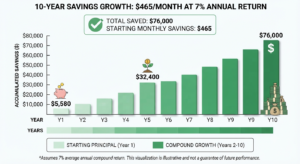
| Total Monthly Savings | $465/month |
| Annual Savings | $5,580/year |
That’s over $5,500 per year without changing your income by a single dollar. Put that into an investment account earning 7% annually, and in 10 years you’d have over $76,000.
Frequently Asked Questions {#faqs}
❓ How much money should I try to save each month?
Financial experts recommend saving at least 20% of your take-home pay (based on the 50/30/20 rule). However, if you’re starting from zero, even saving $50 to $100 per month is a great beginning. The key is consistency — not the amount.
❓ What’s the fastest way to save money?
The fastest ways to save money are: (1) audit and cancel unused subscriptions, (2) switch to a budget phone carrier, (3) negotiate your rent or cable/internet bills, and (4) meal plan and cook at home. These four steps alone can free up $200–$400 per month within days.
❓ How can I save money when I’m living paycheck to paycheck?
Start small and automate. Even setting aside $25 per paycheck into a separate savings account is a meaningful step. Then focus on cutting your biggest expenses first — housing, food, and transportation. As your savings buffer grows, the paycheck-to-paycheck cycle naturally breaks.
❓ Should I save money or pay off debt first?
This depends on the interest rate of your debt. A common approach: first save a small emergency fund ($500–$1,000), then aggressively pay off high-interest debt (credit cards), then return to building your full emergency fund. Check out our guide on Zero-Based Budgeting for a full strategy.
❓ Where should I keep money I’m saving?
For short-term savings goals and emergency funds, keep money in a High-Yield Savings Account (HYSA) — these currently pay 4–5% APY compared to 0.01% at most traditional banks. For long-term goals (retirement, wealth building), invest in index funds. Read our Emergency Fund Guide for account recommendations.
❓ Is it worth saving small amounts like $5 or $10 at a time?
Absolutely. Small, consistent savings habits build the discipline and systems that eventually allow you to save larger amounts. The habit matters more than the amount at the beginning.
❓ What is the 30-day savings rule?
The 30-day rule means waiting 30 days before making any non-essential purchase. If you still want it after 30 days, you can buy it guilt-free. Most impulse buys are forgotten long before the 30 days are up, saving you significant money.
Final Thoughts {#conclusion}
Saving money doesn’t have to be about suffering, sacrifice, or giving up everything you enjoy. It’s about being intentional with where your money goes so that you have more control over your future.
Here’s what to do right now:
Your 3-Step Action Plan:
- ✅ This week — Audit your subscriptions, cancel 2–3 unused ones, and call your internet or phone provider to negotiate a lower rate
- ✅ This month — Implement meal planning, set up a $100 automatic savings transfer, and download Ibotta or Rakuten
- ✅ This quarter — Apply the 50/30/20 budget rule, open a high-yield savings account, and work toward your first $1,000 emergency fund
Remember: Every dollar you save today is a dollar working for your future. Start with one or two tips from this list. Then add more as those become habits. Over time, the cumulative effect will transform your financial life.
Leave a Reply